VIP REALTY
GOOGLE ADS FOR REALTORS
Complete Beginner Guide to Real Estate PPC
Real Leads. Real Scale.
⚊⚊⚊⚊ Welcome to VIP Realty — The Premier Firm in Real Estate. ⚊⚊⚊
Google Real Estate PPC
Can Realtors actually generate buyer and seller leads with Google Ads?
Yes—but successful real estate PPC requires more than simply creating an ad and sending traffic to your website.
You need to understand what consumers are searching for, which keywords indicate real estate intent, what type of landing page they should see, how you capture the lead and what happens after that lead enters your CRM.
In this VIP Lead Accelerator training, we'll explain how Google PPC works for Realtors and how real estate agents can use Google Ads to put themselves in front of potential buyers and sellers actively searching online.
Whether you're a brand-new Realtor or an experienced agent looking to build another source of business, this guide will help you understand the fundamentals of real estate PPC.
At VIP Realty internet marketing has been an important part of our business and agent lead generation strategy.
That’s exactly what we help you do.
Through the VIP Lead Accelerator, we teach agents how real estate internet lead generation works, including Google PPC, search engine optimization, social media, landing pages, CRM follow-up and lead conversion.
In this training, you'll learn the basic framework behind using Google Ads for real estate lead generation, including keywords, search intent, ad copy, landing pages, budgets, negative keywords, tracking and lead conversion.
WHAT Is Google
PPC for Realtors?
Google PPC for Realtors is a digital advertising strategy where real estate agents or brokerages pay to display advertisements to people searching Google for specific real estate-related keywords.
PPC stands for pay per click:
- Homes for sale in Frisco TX
- New construction homes in Dallas
- Condos for sale in San Diego
- Sell my house fast
- Realtor near me
- Listing agent in Los Angeles
Google PPC:
Instead of paying simply to display an advertisement, advertisers generally pay when someone clicks the ad
Captures Intent.
A Realtor using Google Ads may be able to place an advertisement in front of that consumer while they're actively searching for information.
💡 How Do Google Ads Work for Real Estate Agents?
At its simplest, a real estate Google Ads campaign works like this:
Google captures intent.
Consumer searches Google → Your ad appears → Consumer clicks → Consumer reaches your landing page → Consumer requests information → Lead enters your system → Agent follows up
A successful campaign requires alignment between:
If one part of that process is weak, the entire campaign can suffer.
For example, you could select an excellent keyword and write an excellent advertisement.
But if the consumer lands on a confusing website with no clear next step, you may pay for the click without generating a lead.
Likewise, you can generate plenty of leads and still lose money if nobody follows up effectively.

Why Google Ads Can Be Powerful for Realtors
One of the biggest advantages of Google Ads is the ability to reach people based on search intent.
Compare these two consumers.
Consumer #1
Someone is scrolling through social media and sees an advertisement for a Realtor.
They weren't necessarily thinking about real estate.
Consumer #2
Someone searches:
"New construction homes in Frisco TX"
That person has voluntarily entered a real estate-related search into Google.
They may be researching, comparing options or preparing to buy.
They aren't automatically a client, but their search provides a valuable signal.
This is why understanding search intent is one of the most important parts of PPC advertising.
best google ads keywords for realtors
Choosing keywords is one of the foundations of a Google PPC campaign.
1. Goolge PPC for Realtors
(THIS IS THE GAME CHANGER)
A keyword is essentially the search concept you want your advertisement associated with.
But not all real estate keywords have the same intent.
Buyer Keywords
Buyer-focused searches might include:
- Homes for sale in [city]
- Condos for sale in [city]
- Homes for sale under $500K in [city]
- Waterfront homes in [city]
- Luxury homes for sale in [city]
- Houses with pools in [city]
- Townhomes for sale in [city]
These searches indicate that the consumer may be actively looking at properties.
New Construction Keywords:
- New homes in [city
- New construction homes in [city]
- New homes under $500
- New home communities in [city]
- Home builders in [city]
- Home valuations
- Builder incentives in [city]
The landing page should provide useful information that matches the search.
If someone searches for new construction homes, don't send them to a generic homepage.
Send them to a page about new construction homes.
✅ Someone searching:
"new construction homes in Frisco TX"
New construction can be particularly well suited to search marketing because consumers frequently research builders, communities and available homes online.
💥SELLER KEYWORDS
Google Ads can also be used to reach homeowners researching the selling process.
Examples may include:
- Sell my house
- How much is my house worth?
- Home value estimate
- Realtor to sell my house
- Listing agent near me
- Cost of selling a house
- Best Realtor to sell my house
- How to sell a house
Seller campaigns can be extremely different from buyer campaigns.
A homeowner searching for selling information may not be ready to list today.
⚠️ IMPORTANT:
That means the offer and follow-up strategy should match where that homeowner is in the decision-making process.
Commercial Intent vs. Informational Searches
One of the biggest mistakes beginners make is treating every Google search as equally valuable.
They're not.
Consider:
"What does a Realtor do?"
versus:
"Listing agent near me"
The first search is informational.
The second may indicate much stronger commercial intent.
That doesn't mean informational searches are worthless. They can be extremely valuable for SEO and long-term content marketing.
But when you're paying for every click, search intent becomes especially important.
The closer the search is to a potential real estate transaction, the more carefully it deserves to be evaluated.
Long-Tail Keywords for Real Estate PPC:
"New construction homes under $600K in Frisco TX"
This is known as a long-tail keyword.
Long-tail searches typically contain more detail and can provide better insight into what the consumer is actually looking for.
For Realtors, this might include combinations of:
Location + Property Type + Price + Feature + Intent
For example:
New construction homes in Prosper TX with 4 bedrooms
That's a very different search from simply:
Real estate
Your
Google Ad Must Match the
Search
After choosing the right keywords, the next step is creating a relevant advertisement.
Suppose someone searches:
New Construction Homes in Frisco TX
An advertisement focused on:
Frisco New Construction Homes
creates a logical connection.
An advertisement saying:
Richard Smith — Your Local Realtor
may be less compelling because it doesn't directly answer the consumer's search.
A useful principle is:
Match the message to the search.
The consumer searched for something specific.
Your advertisement should make it immediately clear that you can help them find it.
💡 The Landing Page Is Just as Important as the Ad
Getting the click isn't the goal.
Generating a meaningful opportunity is.
Once someone clicks your Google ad, they need somewhere to go.
This is where your real estate landing page becomes critical.
Imagine someone searches:
New Construction Homes in Dallas
They click your advertisement.
Would you rather send them to:
A generic Realtor homepage
or:
A page dedicated to new construction homes in Dallas?
The second option continues the conversation they already started with Google.
This concept is often called message match.
Search:
New Construction Homes in Dallas
Advertisement:
Explore New Construction Homes in Dallas
Landing Page:
New Construction Homes in Dallas — Communities, Builders & Available Homes
Everything aligns with the consumer's intent.
What Should a Real Estate Landing Page Include?
The exact content depends on the campaign, but a strong landing page should quickly answer the visitor's primary question.
For a property-search campaign, that might include:
- Available properties
- Price ranges
- Neighborhood information
- Community information
- Property photos
- Relevant market information
- Search tools
- Clear calls to action
For seller campaigns, that could include:
- Home-selling information
- Home-value options
- Selling costs
- Local market information
- Listing options
- Seller resources
- Consultation request
- Don't make consumers hunt for what they clicked to find
How Much Should Realtors Spend on Google Ads?
There is no universal Google Ads budget that works for every Realtor.
The amount required depends on factors such as:
- Market
- Competition
- Keywords
- Cost per click
- Campaign type
- Property price range
- Landing-page performance
- Conversion rate
- Lead quality
- Agent follow-up
- Average commission opportunity
Instead of asking:
"How much should I spend?"
a better question is:
"Can I build a campaign where the economics make sense?"
Important Google PPC Metrics for Realtors
Beginners often focus on only one metric:
How many leads did I get?
That isn't enough.
A real estate agent should understand the entire funnel.
Important metrics can include:
Impressions
How often your advertisements are shown.
Clicks
How many people click the advertisement.
Click-Through Rate
How frequently people who see the advertisement click it.
Cost Per Click
The average amount paid for each click.
💥 Speed = Conversions
Return on Advertising Investment
Ultimately, did the campaign generate enough business to justify the advertising cost?.
Don't Judge Google Ads Only by
Cost Per Lead
Imagine two campaigns.
Campaign A
Cost per lead: $15
100 leads generated
Very few meaningful conversations
No transactions
Campaign B
Cost per lead: $50
30 leads generated
10 serious conversations
4 appointments
Which campaign performed better?
Campaign B may have generated more expensive leads but a much stronger business result.
The goal isn't necessarily the cheapest lead.
The goal is profitable client acquisition.
Think beyond:
Cost Per Lead
and evaluate:
Cost Per Conversation → Cost Per Appointment → Cost Per Client → Cost Per Closing
What Are Negative Keywords?
Let’s break it down:
Negative keywords help prevent your ads from appearing for searches you don't want.
This can be particularly important in real estate because many words have multiple meanings or attract consumers who aren't relevant to your campaign.
For example, depending on your campaign, you may want to evaluate searches involving:
- Jobs
- Careers
- Salary
- License classes
- Free
- Templates
- Definition
- Commercial properties
- Rentals
- Apartments
The correct negative keywords depend entirely on the campaign.
A rental campaign obviously wouldn't exclude "rent."
The point is to regularly review the searches generating your traffic.
Don't just tell Google what you want.
Tell Google what you don't want as well.
Common Google Ads Mistakes Realtors Make
Google Ads can burn through money quickly when campaigns aren't managed carefully.
Some common mistakes include:
- Targeting keywords that are too broad
- Ignoring search intent
- Sending all traffic to the homepage
- Using the same landing page for every campaign
- Failing to use negative keywords
- Tracking leads but not appointments or closings
- Not following up quickly
- Calling a lead once and quitting
- Scaling campaigns before proving they work
- Changing too many variables simultaneously
- Focusing only on cost per lead
- Failing to track which campaigns generate actual clients
The solution isn't simply spending more.
The solution is improving the system.
Frequently Asked Questions
About
Real Estate Internet Lead
The brokerage you choose will either limit your growth or accelerate everything you’re trying to achieve.
Do Google Ads work for Realtors?
Google Ads can help Realtors reach consumers actively searching for real estate information, properties, agents and related services. Results depend on factors including market competition, keywords, budget, advertising strategy, landing pages and lead follow-up.
How does Google PPC work for real estate agents?
Realtors can bid to show advertisements for relevant searches. When a consumer clicks the advertisement, the agent generally pays for the click. The consumer is then directed to a website or landing page where they may search properties, request information or contact the agent.
How much should a Realtor spend on Google Ads?
There is no single correct budget. Advertising costs vary significantly by location, competition, keywords and campaign objectives. New advertisers should consider starting with a controlled budget, measuring results and expanding only when the economics support doing so.
What are the best Google Ads keywords for Realtors?
The best keywords depend on the campaign. Strong keywords generally align closely with consumer intent, such as location-specific property searches, new construction searches, home-selling searches and searches for real estate services.
Can Realtors generate seller leads with Google Ads?
Yes. Google Ads can target searches related to home values, selling a house, listing agents and other seller topics. The advertisement and landing page should directly address the homeowner's search.
Can Realtors generate buyer leads with Google Ads?
Yes. Property searches, neighborhood searches and new construction searches can create opportunities to reach potential buyers. Lead quality and conversion depend on the campaign and follow-up strategy.
Is Google Ads better than Facebook Ads for Realtors?
Neither platform is universally better. Google primarily captures existing search demand, while Facebook and Instagram can introduce offers to people who weren't actively searching at that moment. Many real estate marketing strategies use the platforms for different purposes.
What happens after I receive a Google Ads real estate lead?
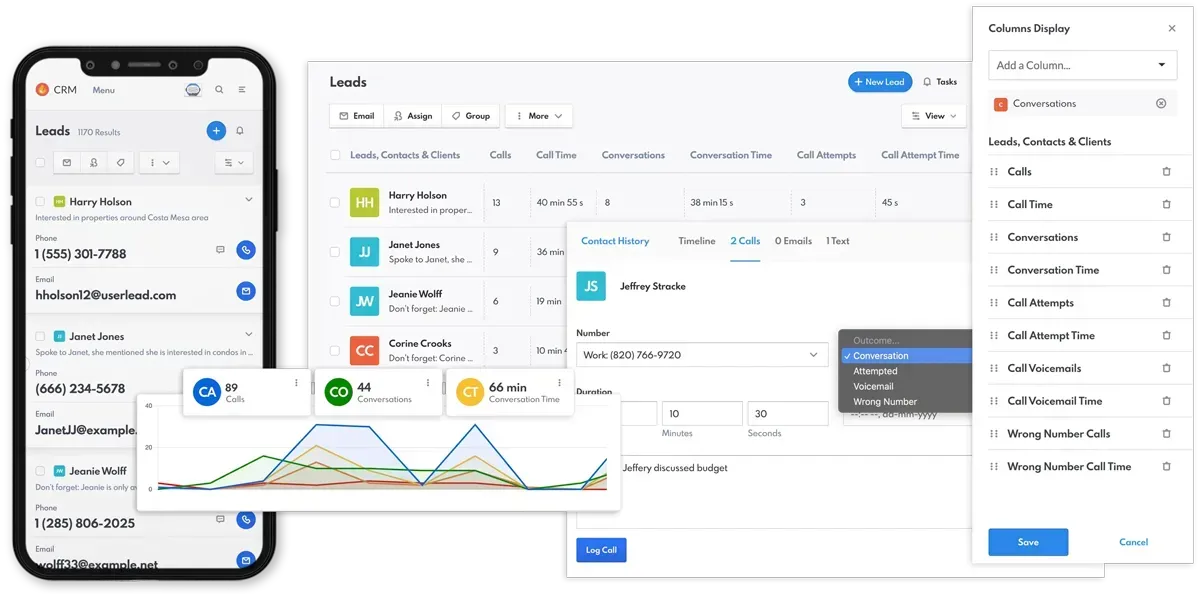
The agent should have a consistent follow-up process involving calls, texts, email and CRM nurturing as appropriate. The goal is to understand what the consumer needs and move qualified prospects toward a conversation or appointment.
LEARN HOW TO GENERATE MORE
REAL ESTATE Business…
A successful real estate business shouldn't depend on waiting for someone to call.
Agents can learn how to create opportunities.
That's the purpose of the VIP Lead Accelerator.
Learn how to use Google, SEO, social media, AI, online advertising, websites and follow-up systems to build a stronger real estate pipeline.
But generating the lead is only the beginning.
The real skill is learning how to turn:
Traffic → Leads → Conversations → Appointments → Clients → Closings
That's how online marketing becomes a real estate business.
Interested in Joining VIP Realty?
VIP Realty provides agents with access to training, technology, marketing resources and competitive commission options designed to help independent real estate professionals grow their businesses.